
Packing for a Week Aboard a Cruising Yacht
A week aboard asks for more warmth than you expect and less luggage than you would like. What goes in the bag, what stays at home, and why the bag itself matters.
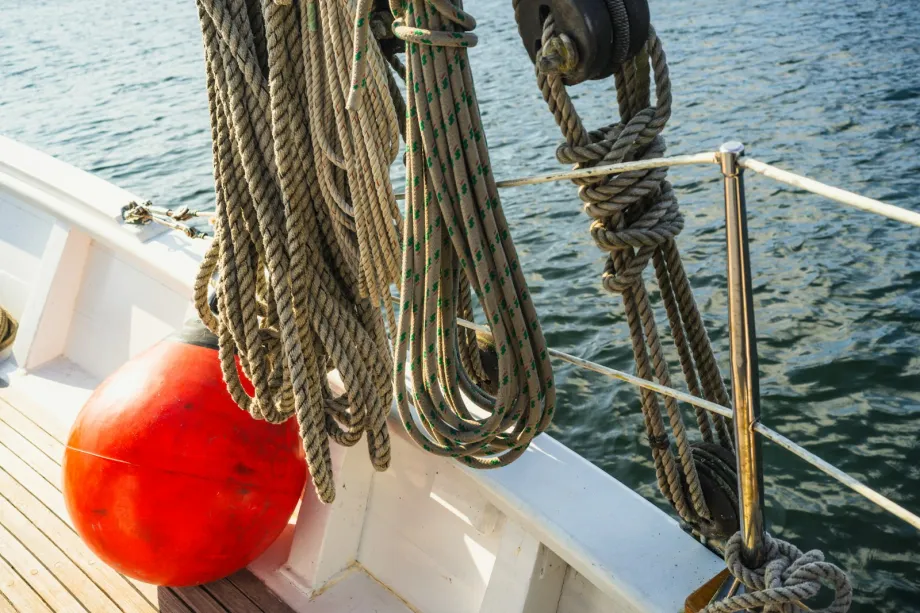
A standard 36-foot yacht offers impressive living space on paper, but storage lockers fill rapidly once a full crew steps aboard. Packing for a week at sea requires a disciplined approach to weight, volume, and utility. Every item brought into a boat cabin must serve a distinct purpose, withstand moist conditions, and stow away completely flat when empty.
Soft Luggage and Locker Space
Rigid suitcases have no place on a cruising boat. A hard suitcase cannot bend to fit inside a curved hull locker, nor can it be squeezed under a bunk cushion. Once unpacked, a hard case sits in the middle of a cabin, taking up valuable foot room and damaging interior woodwork as the vessel heels.
Bring a soft-sided holdall, a flexible duffel bag, or a medium-sized dry bag. Fabric bags roll up tightly once your gear is transferred to the cabin shelving or hanging lockers. Soft bags can easily be stuffed into small gaps behind berth cushions. If your luggage needs to sit on deck during a dinghy transfer, waterproof PVC or heavy-duty coated nylon will keep your dry clothes safe from ocean spray.
The Layering System
Temperature at sea is rarely the same as temperature on land. Wind chill across open water strips body heat quickly, even during bright summer afternoons. A night watch in July can feel as cold as an autumn evening ashore, making flexible clothing essential.
Rely on multiple thin layers rather than one heavy coat. Synthetic or merino wool thermal tops and leggings form the ideal base layer against your skin. They pull moisture away from the body and retain warmth even if they become damp. Avoid cotton T-shirts and denim jeans completely. Cotton holds water, dries slowly in a humid marine environment, and leaves the wearer chilled.
A fleece jacket or wool sweater provides the middle insulating layer. Bring two mid-layers so you always have a dry backup if one gets soaked during a wet passage.
Waterproofs, Footwear, and Gloves
Foul-weather gear keeps wind and ocean spray from penetrating your mid-layers. A proper breathable sailing jacket with a fleece-lined collar, double cuffs, and a high-visibility hood keeps water out. Waterproof trousers or chest-high salopettes protect your seat and legs from wet decks, rain, and spray.
Sailing footwear must provide reliable grip on wet fibreglass without leaving dark marks. White or light-coloured rubber soles are standard. Traditional leather deck shoes work well in fair weather, but cold water requires dedicated sailing boots. Neoprene or breathable rubber boots with non-marking razor-siped soles keep feet warm and dry when working on foredecks.
Rope handling subjects hands to constant friction. A pair of leather or synthetic sailing gloves prevents painful blisters when managing halyards, sheets, and mooring lines. Fingerless gloves allow finger dexterity for typing on chartplotters or tying small knots, while full-finger gloves offer superior protection in cold weather.
Power, Lighting, and Personal Electronics
Cruising yachts operate on a 12-volt direct current battery system while under way. Mains electricity at 230 volts is usually only available when tied up in a marina with a shore power cable connected. Unless the yacht carries a large power inverter, standard household wall plugs will not function at sea.
Bring a 12-volt USB charger adapter that fits into a standard automotive cigarette-lighter socket. A compact portable power bank is equally useful for keeping mobile phones and headtorches charged inside your berth without running trailing cables across the main cabin floor.
Headtorches are far superior to hand-held torches for night watches and working on deck. Select a headtorch equipped with a red-light mode. Red light preserves your night vision and prevents blinding other crew members during night movements or chart reading.
Seasickness Remedies and First Aid
Motion sickness can affect experienced sailors as easily as complete novices. The key to managing seasickness is taking preventative action before symptoms take hold in open water.
Common over-the-counter remedies include hyoscine hydrobromide and cinnarizine. Hyoscine hydrobromide tablets act quickly and can be taken close to departure or at the first sign of nausea. Cinnarizine tablets generally need to be taken several hours before setting sail to build protection in the bloodstream. Cinnarizine is often preferred for longer passages, though it can cause mild drowsiness in some individuals.
Acupressure wristbands present a non-medicinal option without side effects. Keep all remedies in an easily accessible pocket of your daypack rather than buried at the bottom of a deep locker.
Personal Hygiene and Sleeping Gear
Water conservation is a daily reality on board. Fresh water tanks are limited, and running a shower every day is not always practical when anchored in remote bays.
Quick-drying microfibre towels take up a fraction of the space of heavy cotton bath towels and dry rapidly in the rigging. Biodegradable wet wipes offer a fast way to freshen up between shower stops without draining fresh water supplies.
A warm sleeping bag rated for three seasons is ideal for coastal cruising. Cabins get cold overnight as the hull cools down to the temperature of the surrounding sea. A small travel pillow or a fleece jacket stuffed into a pillowcase saves space in your kit bag.
Earplugs and a sleeping mask are small additions that ensure good rest. Crew members operate on different sleep schedules, and noise from anchor chains, water slapping against the hull, or a snoring crewmate can disrupt sleep in shared quarters.
What to Leave at Home
Space constraints on a cruising yacht leave no room for unnecessary items. Leaving inappropriate gear on land makes life on board cleaner, safer, and far more comfortable for everyone.
- Hard suitcases or frame rucksacks
- Black-soled street shoes, high heels, or boots with smooth leather soles
- Heavy denim jeans and thick cotton sweatshirts
- Expensive jewellery and non-waterproof wristwatches
- High-wattage 230V hair dryers and styling irons
- Bulky cotton bath towels
Packing efficiently leaves more room in your cabin, shortens your preparation time before slipping lines, and keeps you warm and dry across every mile of your voyage.
Frequently asked questions
What type of bag should I bring on a yacht?
Bring a soft duffel bag, holdall, or dry bag that can be folded completely flat once unpacked. Rigid suitcases cannot fit into curved boat lockers and will restrict cabin space. Soft bags are easy to stow away under bunks or in narrow side shelves.
Do I need specialized foul-weather gear for a week of cruising?
A waterproof and windproof jacket combined with chest-high salopettes is strongly recommended for British coastal waters. Marine foul-weather gear features high collars, wrist seals, and reinforced seats that standard raincoats lack. Keeping dry is the single most effective way to stay warm at sea.
How do I charge my phone on a sailboat?
Most cruising yachts run on a 12-volt battery system while under way. Bring a 12-volt USB charger that fits into a standard car cigarette-lighter socket, or carry a fully charged portable power bank. Standard household wall plugs only work when connected to marina shore power.
Which seasickness medication is best for sailing?
Hyoscine hydrobromide and cinnarizine are two common over-the-counter options. Hyoscine hydrobromide acts quickly and can be taken when feeling initial symptoms, while cinnarizine is usually taken several hours in advance. Always test medication ashore first to check for side effects like drowsiness.