How Yacht Charter Management Programs Work in the UK
A charter management program lets you place your yacht with a fleet operator who handles bookings, maintenance and crew, then shares the charter income with you. The arrangement can cover much of what you spend each year to own the boat. This guide explains the typical models, what to check in a contract and how to compare offers from UK operators.
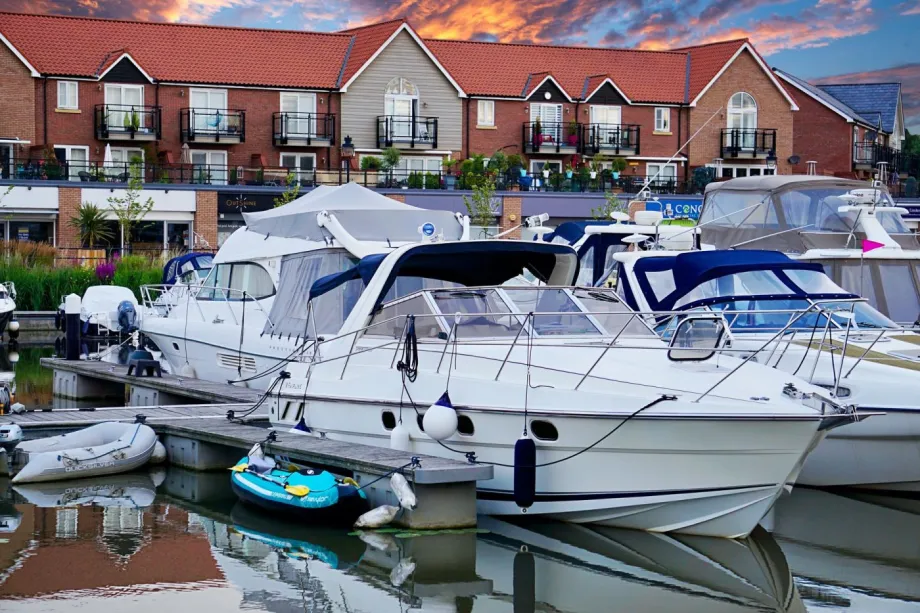
What is a yacht charter management program?
A yacht charter management program is an arrangement where you place your boat with a professional fleet operator who handles all charter bookings, maintenance and crewing. In return the operator takes a share of the charter income and you get the rest, which helps cover your mooring, insurance and upkeep.
The operator markets the yacht, manages the diary, checks guests in and out, and keeps the boat cleaned and serviced between charters. You remain the legal owner and can typically reserve your own sailing weeks in advance, while the boat earns money during weeks you are not aboard.
In the UK most programs run on a bareboat or skippered charter basis from south coast marinas, with the yacht coded to MCA Category 2 or Category 3 depending on how far offshore it is allowed to operate.
How much of my running costs can a management program cover?
An owner typically offsets much of the fixed costs but should not expect the program to turn a net profit after all expenses. Charter income reduces the cost of ownership; it does not replace it. How much of your outgoings the program covers depends on the yacht’s popularity, the season length and the fee split agreed with the operator.
A well-subscribed program can absorb three main costs, either fully or substantially: mooring fees, annual insurance and routine maintenance. The operator usually deducts variable costs such as fuel used by charterers and post-charter cleaning from gross revenue before calculating the owner’s share. You remain responsible for any major refit work or upgrade.
Several practical factors determine how much of your costs you recover in a UK season:
- Location: a yacht based in the Solent or on the south coast will achieve far more booking weeks than one in a remote harbour with limited shoreside access.
- Yacht type and age: modern fin-keel cruising yachts of 36-42 ft with two cabins and one heads are the most consistently booked. Older or unusual designs earn fewer charter days.
- Season length: a UK season typically runs from April to October. Operators who market winter weekend breaks or Christmas charters can add a few extra weeks of income.
- Fee split: the owner’s share of gross charter revenue ranges from 50 to 70 percent depending on the program, with the higher splits usually attached to a fixed monthly management charge.
- Condition and presentation: a clean, well-maintained yacht with good photos and positive guest reviews will book repeat weeks and command a higher daily rate than a tired-looking competitor.
- Coding and equipment: a yacht coded for Category 2 (up to 60 miles from a safe haven) with a full inventory of safety gear and basic comforts such as heating and a sprayhood will attract more bookings than one coded only for inshore use.
What are the common income models?
Three main models exist, and the right one depends on how much risk you are willing to carry. A guaranteed fixed income model pays you a set monthly or annual sum regardless of how many weeks the yacht is chartered. You trade higher earning potential for certainty, and the operator keeps any surplus. This suits owners who want a predictable contribution towards mooring and maintenance without watching the booking calendar.
A net revenue share splits the actual charter income after the operator deducts management, berthing, insurance and cleaning costs. Your return rises in a busy season and falls when bookings are thin, so you share both the upside and the risk. Splits typically range from 50/50 to 70/30 in the owner's favour, with the larger share going to the owner on newer or higher-specification yachts that attract premium charter rates.
Hybrid models combine a modest guaranteed base with a smaller revenue share on top. You might receive a fixed amount that covers essential standing costs plus 20-30 percent of net charter income once the operator's expenses are met. The base protects you from a poor season, while the share lets you benefit when demand is strong. Before choosing, check whether the operator's definition of net revenue includes all deductions and how owner-use weeks affect the calculation.
Which UK companies offer charter management?
Most charter management programs in the UK are run by two types of operators: dedicated charter fleet companies with bases in several locations, and established marinas that run their own training or charter fleets on site. The Solent is the most concentrated area, but you will find programs in Plymouth, the Clyde, and around the East Coast rivers too.
A practical way to shortlist operators is to visit a couple of bases in person during the season. Walk the pontoons, look at the condition of the fleet, and talk to owners who already have their boats in the program. The RYA training centre directory is also a useful starting point, because many charter management operators are also recognised training centres.
- Dedicated charter fleet operators with bases in the Solent, Plymouth and the West Country, running mixed fleets of monohulls and catamarans
- Marina-based programs where the marina or its on-site sailing school manages a small fleet of privately owned yachts
- Operators on the Clyde and in Largs offering seasonal management with a shorter Scottish sailing window
- East Coast companies around the Orwell, Blackwater and Crouch estuaries, typically running smaller fleets of bilge-keel and lifting-keel yachts
- Catamaran-specialist fleets, mostly based in the Solent, where the whole program is built around twin-hull yachts
- RYA training centres that combine a charter fleet with a course programme, which can increase midweek utilisation outside school holidays
What should I look for in the contract?
A charter management agreement sets out who pays for what and when you can use your own boat. The most important clauses are not always the ones about the split of income. Look first at the practical limits on your own sailing time, because a program that locks you out for most of the summer defeats the purpose of ownership.
Pay close attention to how the company defines fair wear and tear, the standard of maintenance they promise and what happens if you want to leave the program early. A well-drafted contract will also make the insurance responsibilities clear, so you are not left with a gap in cover while the boat is earning charter income.
- The number of owner-use weeks and whether they are fixed or flexible, with any blackout dates during peak charter periods stated plainly.
- A written wear-and-tear policy that distinguishes between normal charter use and accidental damage, and names who pays for each.
- Minimum maintenance standards tied to a recognised code of practice, with a schedule of regular inspections and a clear approval process for major repairs.
- A defined exit clause, including the notice period, any early-release penalties and the condition in which the yacht must be returned.
- Confirmation that the operator holds a valid charter management insurance policy and that your own hull insurance remains in force during owner-use periods.
- A breakdown of all fees, commissions and deductions taken from charter income before the net sum reaches you, with no hidden management charges.
Read the contract as a whole document, not just the summary sheet, and have a marine surveyor or a solicitor with experience in yacht management review the maintenance and exit terms before you sign.
Does the yacht need to be coded for charter?
Yes. Any yacht used commercially for charter in UK waters must hold a valid MCA certificate, commonly called coding. The Maritime and Coastguard Agency sets the safety standards under the Small Commercial Vessel Code, and a coded yacht may carry up to 12 passengers plus crew.
The inspection covers stability, firefighting equipment, life rafts, navigation lights, gas systems and crew qualifications. A surveyor from an MCA-approved certifying authority carries out the check and issues the certificate, usually valid for five years with an annual inspection in between.
- Category 2: up to 60 miles from a safe haven
- Category 3: up to 20 miles from a safe haven
- Category 4: up to 20 miles in favourable weather and daylight
- Category 5: up to 20 miles in daylight with a reduced equipment list
- Category 6: up to 3 miles from a nominated departure point in fine weather
A charter management company normally arranges the coding survey as part of the setup, because the certificate must match the yacht's equipment and the intended sailing area before any commercial bookings are accepted.
Frequently asked questions
Can I still use my yacht if it is in a management program?
Yes. Most contracts give you a set number of owner-use weeks each season, typically blocked out before the charter calendar is released. You agree the dates in advance so the operator can book charters around them. Using your own yacht does not usually affect the income calculation, though heavy owner use may reduce the revenue share in some net-income models.
What happens to the yacht at the end of the contract?
The operator returns the yacht in the condition set out in the contract, less fair wear from charter use. A good agreement will define what counts as fair wear and specify a handover survey. You can then sell the yacht, move it to another program or take it back for private use.
Who pays for maintenance and repairs during the charter season?
Routine maintenance, servicing and minor repairs are normally the operator's responsibility and are deducted before your share of the income is calculated. Major repairs, replacement of capital items and damage caused by your own use usually remain your cost. The contract should list exactly which expenses fall into each category.
Is charter management only for new yachts?
No, but operators prefer yachts under five to seven years old that meet current coding standards and look good in the fleet brochure. An older yacht can still be accepted if it is well maintained and passes the coding inspection. The income share offered for an older yacht is often lower because maintenance costs run higher.